Have you ever heard of nanotechnology? If so, you’ve probably imagined a future where microscopic machines drive the latest innovations in technology and energy. Using ultra-tiny robots to manipulate matter at an atomic scale is captivating, but is it real or just fantasy? This blog post dives into nanotech science and reveals if this revolutionary trend holds potential for our future. We’ll explore the concept behind nanotechnology, examine some current applications already in use today, and address any concerns surrounding its viability. Put on your lab coat – let’s get started!
Is Nanotech Real?
Yes, nanotech is a very real and rapidly advancing field of technology. Nanotechnology involves manipulating matter at the molecular level, which enables the creation of new materials and devices with a wide range of applications. This has opened up exciting possibilities in countless areas, from energy to medicine to computing.
How Does Nanotechnology Work
- Nano-Engineering: Designing and creating materials, devices, and systems that function on a nanoscale (1-100 nm). By playing with the atomic structure of matter, nano-engineers can create self-assembling structures with extraordinary properties.
- Nano-Fabrication: Nano-fabrication techniques are used to build devices once nano-engineered materials are created. This includes methods such as lithography, atomic layer deposition, and etching.
- Nano-Sensing: Nanosensors detect subtle environmental changes by converting a physical stimulus into an electrical signal. They can measure temperature, pressure, light, and other factors precisely.
- Nano-Manipulation: Nano-manipulation is the process of controlling matter on a nanoscale to create desired outcomes. This can include manipulating atoms and molecules to build structures or creating controlled chemical reactions between elements.
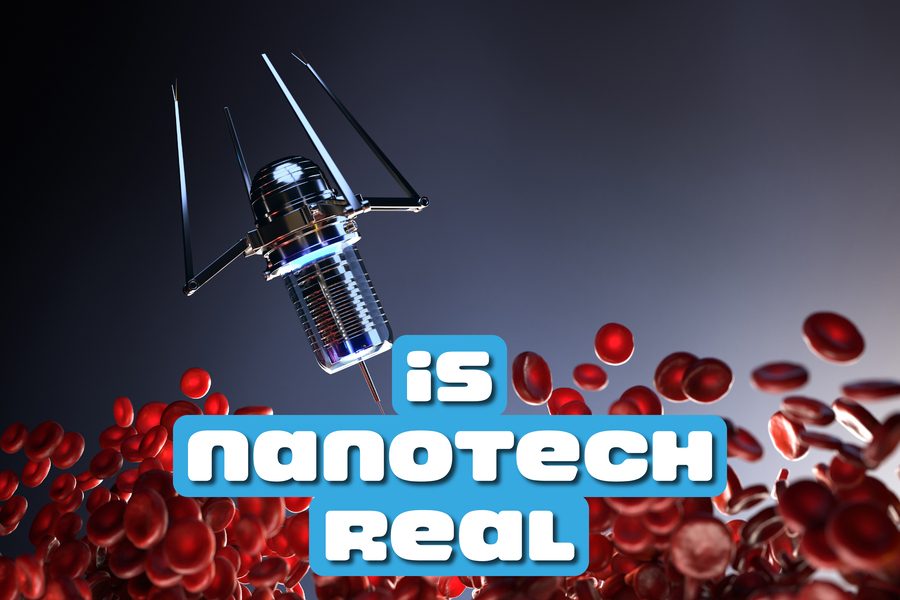
- Nano-Robotics: Nano-robots are tiny, autonomous machines that can perform specific tasks. They could be used to monitor and diagnose medical conditions or repair damaged tissue or organs.
Who Is Currently Developing Nanotech, And What Progress Has Been Made
- The U.S. government has invested over $30 billion in nanotechnology R&D since 2000 and allocated additional funds to establish research centers, training programs, and technology transfer initiatives.
- University researchers nationwide are investigating and developing various nanotechnologies such as molecular assembly, quantum computing, sensor networks, and advanced materials.
- Private companies are also beginning to apply nanotechnology in their products, such as IBM’s carbon nanotube transistors and Intel’s single-molecule memory chips.
- Several countries have also utilized nanotech in medical applications, including cancer therapy and drug delivery systems.
In What Ways Is Nanotechnology Being Used In Medicine?
- Targeted Drug Delivery: Nanotechnology can deliver drugs directly to targeted areas of the body, allowing physicians to administer higher doses of medication without damaging healthy tissue.
- Diagnostic Imaging: The use of nanomaterials in imaging technologies such as MRI and CT scans can provide greater clarity and better resolution than traditional methods. This can improve diagnostic accuracy and help doctors detect diseases earlier.
- Tissue Engineering: Nanomaterials have the potential to speed up the process of tissue regeneration, which could benefit patients with traumatic injuries or those in need of organ transplants.
- Cancer Treatment: Nano-sized particles such as gold nanoparticles can deliver cancer-fighting drugs directly to tumors, reducing unwanted side effects and improving patient survival rates.
What Are The Pros Of Nanotech?
- Nanotech could revolutionize many industries, from medicine to energy production.
- It could lead to the development of new materials that are stronger and more durable than ever before.
- Nano-scale machines could access places and perform tasks that weren’t possible before with traditional engineering methods.
- In medicine, nanotech could target diseases and illnesses more effectively, leading to fewer side effects and improved treatment options.
- Nanotechnology can help reduce the environmental impact of specific processes by allowing for more efficient use of resources.
What Are The Cons Of Nanotech?
- There is a potential for environmental damage: Nanotechnology is still evolving and can be challenging to control. If nanoparticles are released into the environment, they could potentially cause harm as they cannot be easily removed.
- Cost can be high: Due to the complexity of nanotechnologies, production costs tend to be higher than with traditional materials and processes.
- Safety concerns: Since nanotechnology works at an atomic level, misuse of the technology could potentially have dangerous consequences. Further research is needed to understand the safety and health implications associated with nanotech materials.
- Consumer skepticism: Despite its potential advantages, there is still a lot of consumer skepticism surrounding nanotechnologies due to worries about safety and environmental impact. Companies must also be careful to communicate their uses of nanotech to build trust and confidence in their products.
What Are The Challenges Of Nanotechnology?
- Cost: Developing nanotechnology is expensive due to the need for specialized equipment and material. This could limit its application in some areas, such as medicine, where costs may need to be recouped.
- Safety: Due to the small scale of nanotechnology, there is a risk that their introduction into materials or products could pose a health hazard due to unintended interactions with existing molecules in the environment.
- Contamination: If not sufficiently contained, nano-sized particles released into the environment may cause unforeseen consequences when interacting with animal and plant life.
- Efficiency: While nanotech can manipulate matter on an atomic level, it still needs to be more efficient due to the complexity of operating at such a small scale and the limited energy sources available.
The Potential Impact Of Nanotech On Our Future
1. Enhanced Medical Treatments:
Nanotechnology could be used to develop tiny machines that can detect diseases and deliver treatments directly to the affected area. These nanobots could also be used to target specific cells or genes, allowing for more precise treatments that have fewer side effects or complications.
2. Improved Energy Sources:
Nanotechnology breakthroughs could lead to more efficient energy sources, such as solar cells made from nanoscale materials like graphene that are designed to absorb sunlight more efficiently than normal solar cells.
3. Greener Manufacturing Processes:
Nanotech can cause a significant shift in how we manufacture products by reducing waste and using fewer resources during production. Since nanomaterials are so small, they use less space and energy than traditional manufacturing techniques.
4. Increased Computing Power:
Nano-scale computers are already being developed that use quantum computing to perform complex operations faster than ever before. This could potentially lead to new advances in artificial intelligence, robotics, and other industries heavily reliant on high-speed computing power.

What Are Nanotechnology Limitations
- Nanotechnology is manipulating matter on an atomic and molecular scale. It involves the use of tiny particles, usually measuring between 1 to 100 nanometers in size, which are too small to be seen with a regular microscope.
- At this level, scientists can manipulate atoms and molecules to create structures with remarkable properties, such as increased strength or altered electrical conductivity.
- The potential applications for nanotechnology range from medicine to computing and even energy production. For example, nano-robots could one day be used to repair cells inside the human body. In contrast, advanced materials created using nanotech could revolutionize everything from aircraft construction to fabric production.
- However, there are limitations when it comes to using nanotechnology, as it is still in its early stages. For example, the materials created using this technology are often expensive and difficult to produce on a large scale. Additionally, many potential nanotech applications need more testing and research to validate their safety and efficacy.
Conclusion:
Nanotechnology is an exciting field of research with huge potential for revolutionizing our lives. Its applications range from medicine to energy production and computing, but there are still limitations regarding the cost and complexity of producing nano-materials on a larger scale. Despite these challenges, nanotech holds tremendous promise for our future – only time will tell if its promise can be realized!
FAQ’s
What is nanotechnology?
Nanotechnology is the manipulation of matter at an atomic and molecular level. It involves the use of tiny particles which are too small to be seen with a regular microscope and can be used to create structures with unique properties.
What are some potential applications for nanotech?
Potential applications for nanotech range from medicine to computing and even energy production. For example, nano-robots could one day be used to repair cells inside the human body, while advanced materials created using nanotech could revolutionize everything from aircraft construction to fabric production.
Are there any limitations to using nanotechnology?
Yes, nanotechnology has limitations, as it is still in its early stages. For example, the materials created using this technology are often expensive and difficult to produce on a large scale. Additionally, many potential nanotech applications lack sufficient testing and research to validate their safety and efficacy.